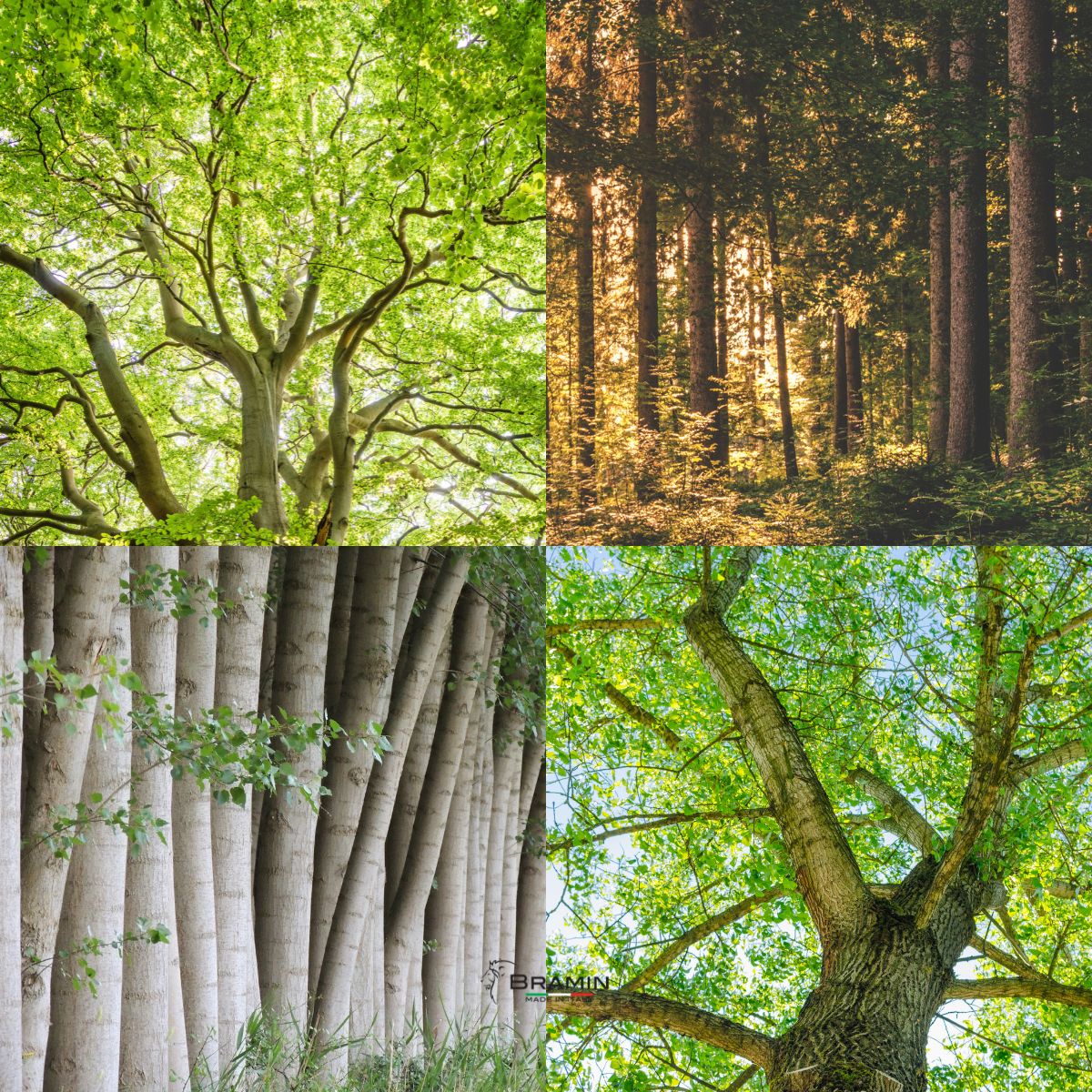
Differences Between Beech, Ash, Poplar, and Limewood
A Comprehensive Guide to Woods for Handles
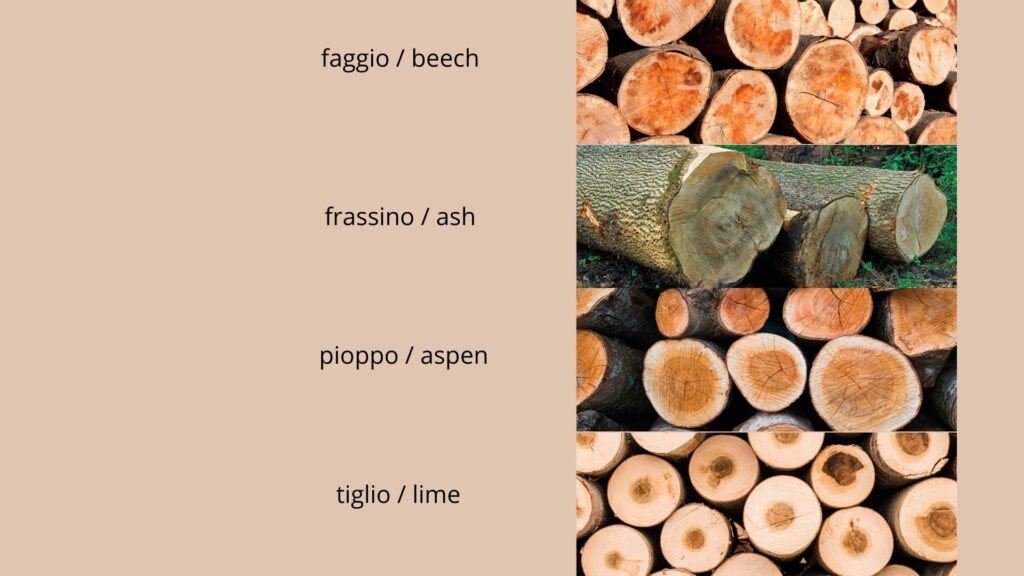
When it comes to choosing the right wood for handle production, each type offers unique characteristics in terms of aesthetics, strength, and functionality. Let’s explore the features of four commonly used woods—beech, ash, poplar, and limewood—based on two key parameters: visual appeal (and practicality) and cost.
Aesthetics, Visual Appeal, and Practical Aspects
Ash: Often the most valued wood for its elegant and distinctive appearance. Its pronounced and linear grain gives a dynamic aesthetic, making it ideal for high-quality products where visual design
is crucial. This characteristic makes ash a popular choice for handles that combine functionality and beauty.
Beech: Offers a sober and uniform appearance with neutral tones that suit various contexts. It is the perfect choice for those seeking a versatile and discreet solution without sacrificing a certain minimalist elegance.
Poplar: Stands out for its light color and subtle grain. While less decorative than ash, it is suitable for contexts where aesthetics are not a priority but lightness and practicality are essential.
Limewood: Characterized by a smooth and homogeneous surface, it is highly appreciated for precision and decorative work. However, it is less commonly used for aesthetic purposes in handles, focusing instead on functionality.
Cost and Availability
Ash: Generally the most expensive wood due to its durability, aesthetic appeal, and processing complexity. Its versatility and high demand make it a premium choice.
Beech: Falls into the mid-range category. Its hardness and versatility justify its slightly higher price compared to limewood.
Poplar: Represents the most economical option, being lightweight, easy to work with, and widely
available. This makes it ideal for applications less demanding in terms of aesthetics or durability.
Limewood: Also a cost-effective option, particularly valued for artisanal or decorative applications where lightness and precision are key.
Properties and Treatments for Wooden Handles
Regardless of the wood chosen, handles require specific treatments to ensure durability, resistance, and the preservation of their aesthetic features. Before processing, the wood is dried to reduce internal moisture, a crucial step to prevent warping, cracking, or swelling over time.
Among protective surface treatments, oiling is a traditional choice that shields the wood from moisture while enhancing the grain, whereas varnishing provides greater shine for retail displays but offers no added value in terms of wood durability. Alternatively, waxes can give a natural and smooth finish, particularly appreciated in decorative contexts.
Sustainability and Certifications
Foppoli Bramin ensures that the beech, ash, and limewood used for handles come from responsibly managed forests, certified FSC® and PEFC. And poplar? While not directly certified, it is still sourced from sustainably managed contexts.
In summary, each type of wood has its strengths: ash excels in aesthetics and durability, beech in versatility and simplicity, poplar in lightness and affordability, and limewood in precision and
workability. If you’re unsure which wood to choose, contact us: we’ll help you find the perfect solution!