The main cause of deforestation is our behaviour, not wood products: let’s see why…
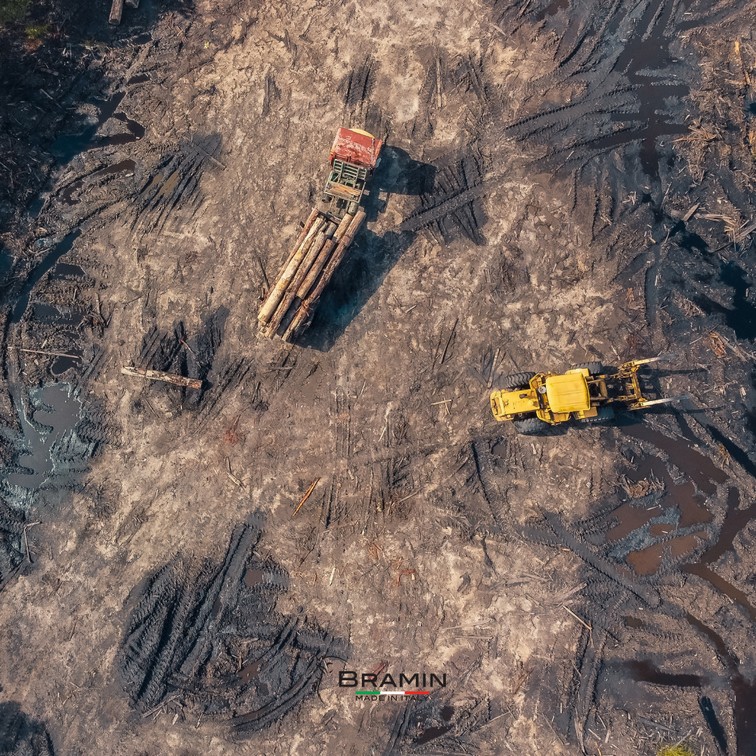
Deforestation is a global phenomenon that is difficult to ignore. According to an FAO report, 420 million hectares of forest have been lost in the last 30 years. Although the rate of deforestation in Europe, Asia and North America has fallen in the last decade, unfortunately the same cannot be said for the forests of Africa and South America.
For Foppoli Bramin, producing wooden handles is our job, as well as our tradition and passion – this does not mean, however, that we have never wondered about the impact of what we do on the environment. On the contrary.
As manufacturers of wooden tool handles, we are committed, first and foremost, to understanding what is happening to forests around the world, precisely to contribute as little as possible to the phenomenon of global deforestation. Here’s what we found out.
The causes of deforestation
According to the FAO report, the main causes of deforestation are:
- Intensive agriculture
- Urbanisation
- Intensive farming
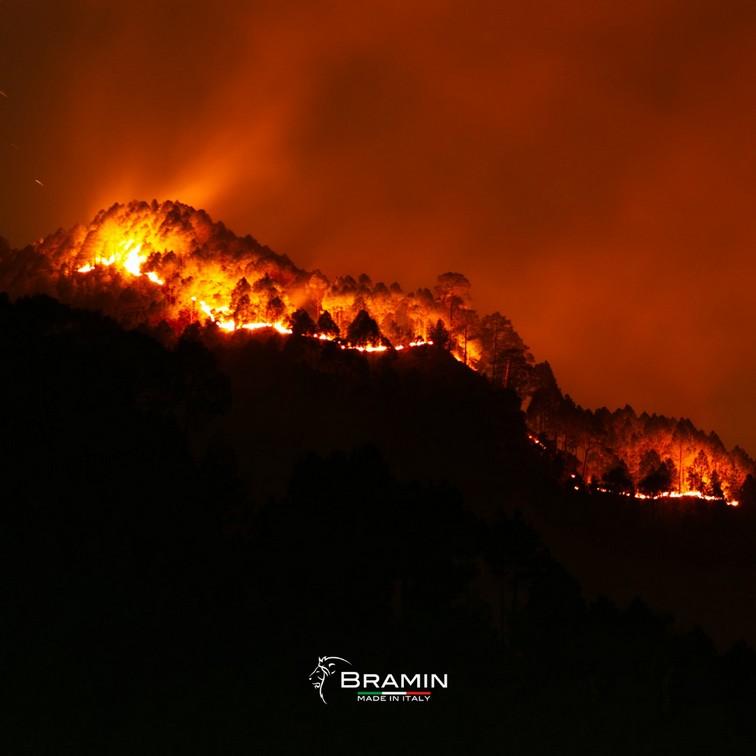
- The high rate of wildfires
The production of wooden objects, such as handles, is not among these causes. This is especially true in Europe and North America, where we producers operate in an industry that has numerous certifications and ecological compensation projects.
Studying this issue more in depth, we can define two groups of people responsible for deforestation:
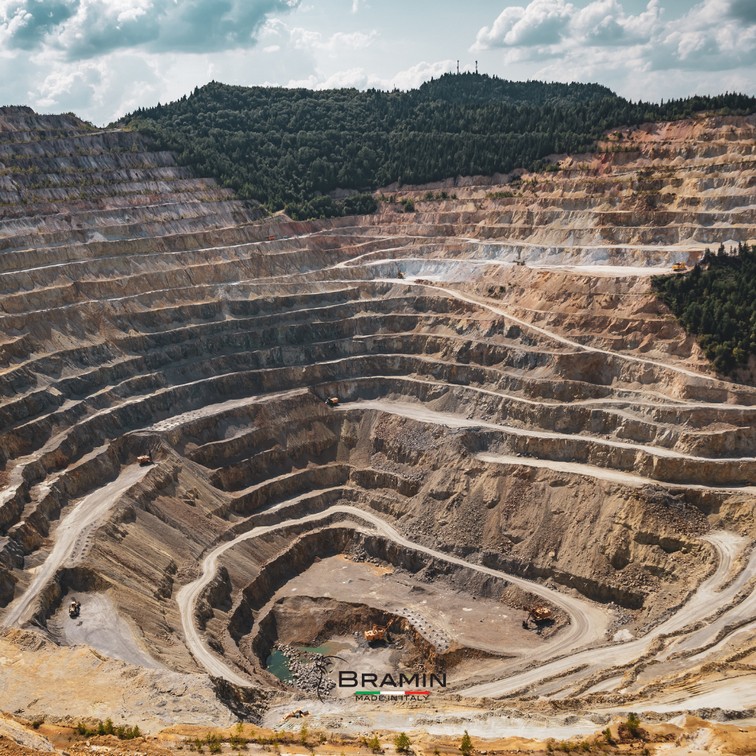
DIRECT DRIVERS: human actions that have a direct and immediate impact on forest resources, eliminating tree cover through conversion to other forms of land use (some examples: intensive agriculture, mining, uncontrolled urbanisation).
INDIRECT DRIVERS: causes and factors not immediately responsible for deforestation and that do not necessarily act directly in areas subject to deforestation (again, some examples: climatic events, geopolitical events, technological evolution).
The main direct driver of deforestation is agriculture: more than 70% of deforestation in tropical areas is eliminated to make room for about 40% of commercial agriculture and 33% of subsistence or self-consumption agriculture for local needs.
The concept of indirect (or incorporated) deforestation refers, on the other hand, to the risk of deforestation along the entire supply chain. This includes the consumption and marketing of those goods and services whose production has generated the loss of forests and green areas.
Deforestation and consumption
Returning to the causes of deforestation, we see how our daily habits and behaviour have the greatest effect on global deforestation.
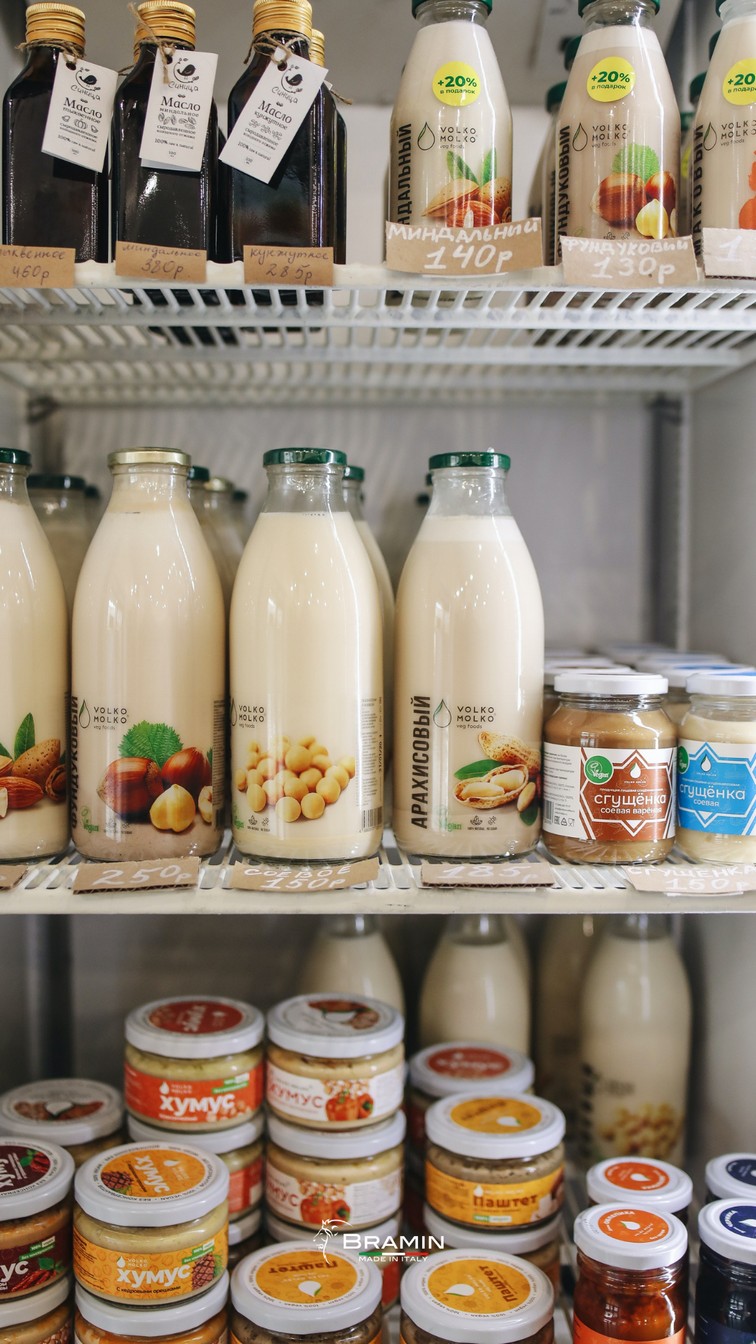
Would you have ever thought that? It may be difficult to imagine that eating a hamburger or drinking a soy milk cappuccino is contributing in part to deforestation, but that is exactly what is happening.
We mentioned soybeans for a reason: 73% of deforestation in tropical and subtropical areas is the work of those who want to make room for pastures and agricultural land, where they mainly cultivate soybeans and oil palms. These are all products that are sold and exported. And this is where we find the connection with our behaviour. The European Union buys 37% of the crops and animal products associated with the destruction of forests in these countries of origin. Specifically, 60% come from South America, 25% from Indonesia. Technically speaking, we are talking about embedded deforestation, a phenomenon of enormous proportions, which accounts for 80% of the deforested areas. Consumption in the European Union alone accounts for 10% of global deforestation.
We tend to blame deforestation on wood products and by-products, such as furniture, paper, cardboard and, to a lesser extent, wooden handles, but things are actually quite different.
Wooden handles and certifications
However, the fact that the causes of deforestation are not directly linked to the production of wooden objects must not lead us to forget about our responsibilities. For this reason, when choosing wooden handles for construction or agricultural tools, always request certified products with the least possible environmental impact.
We want to do even more to defend the forests. So, are you with us?